
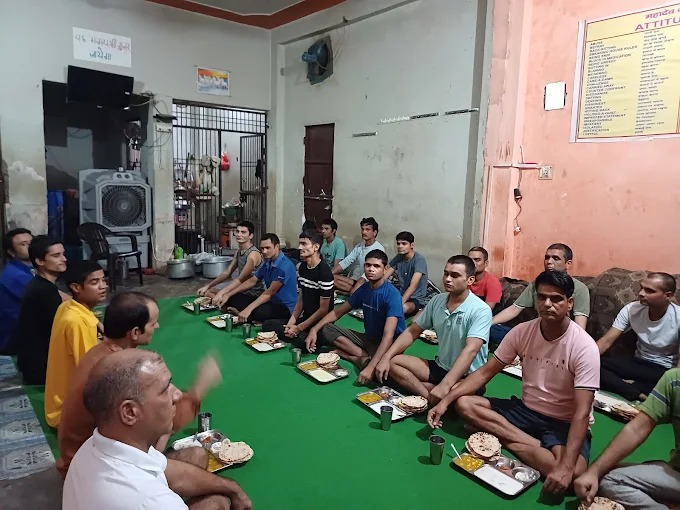
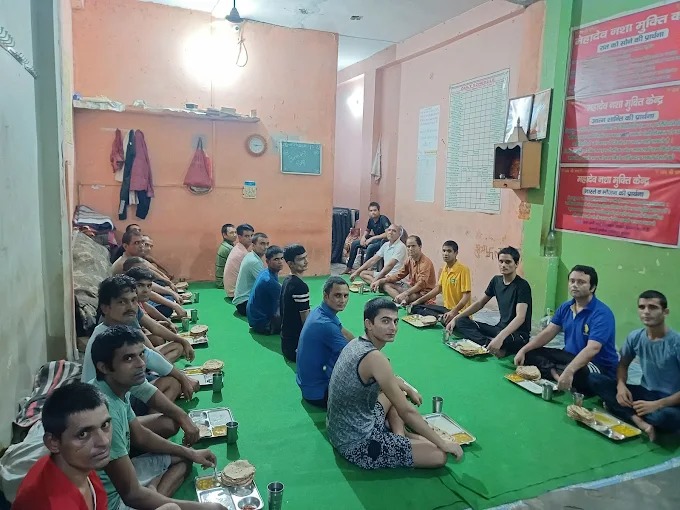
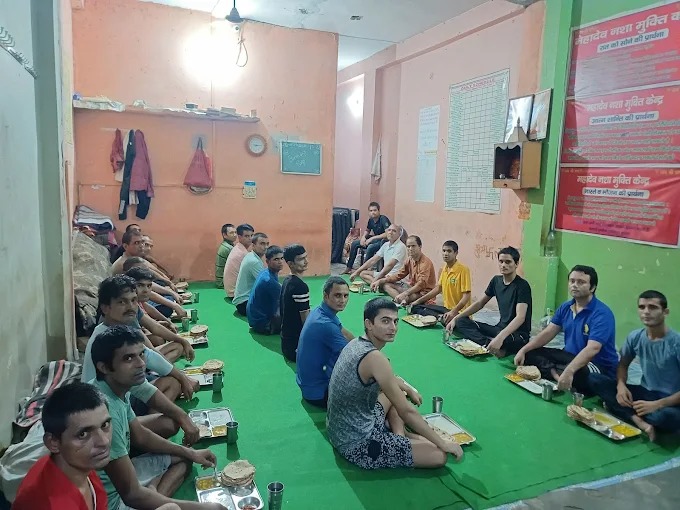
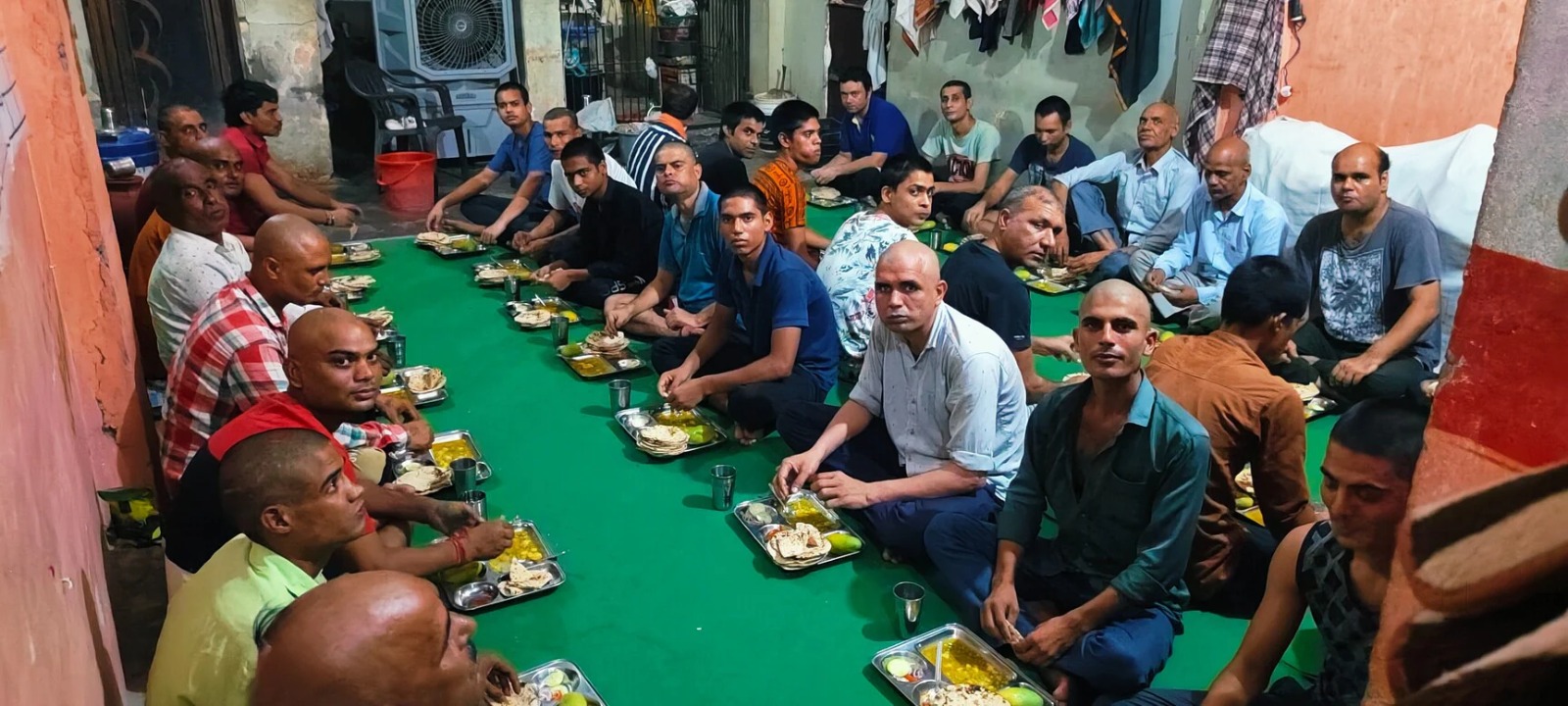
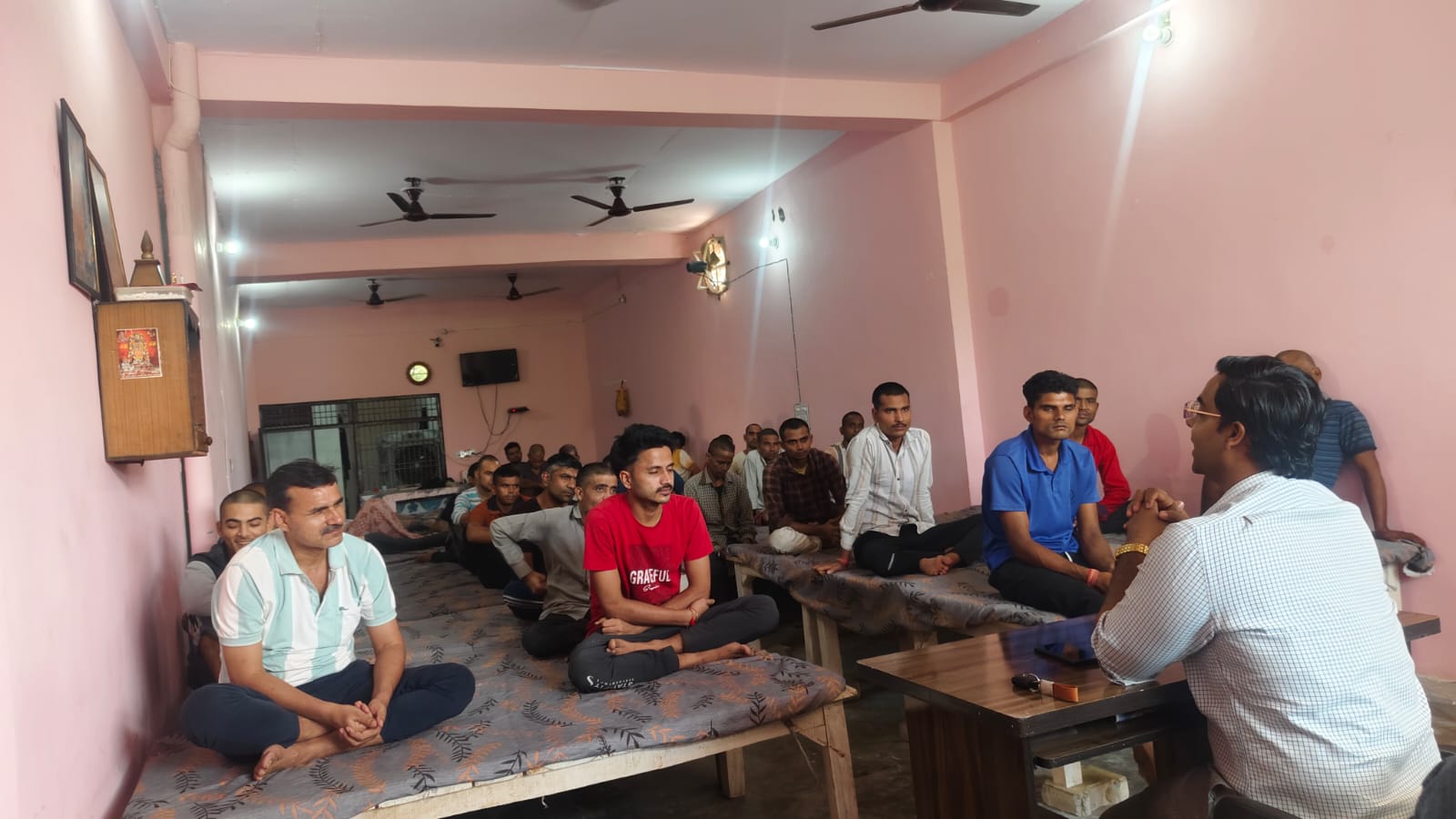
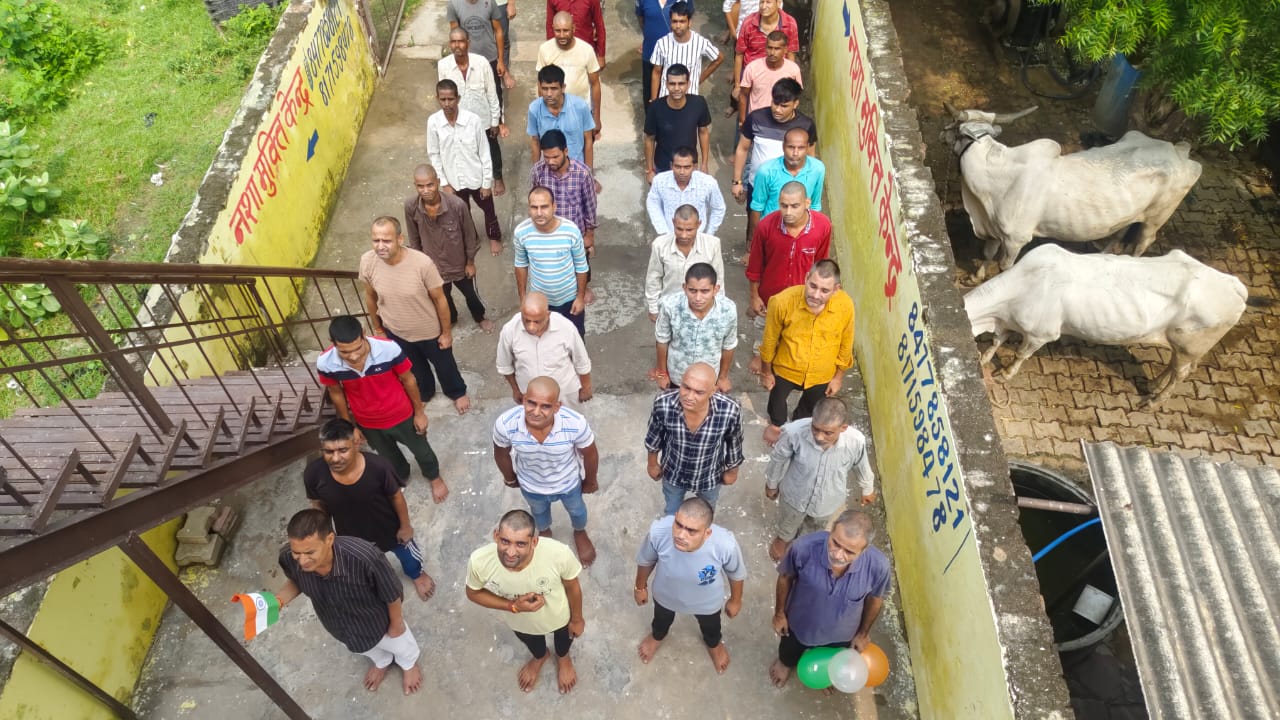
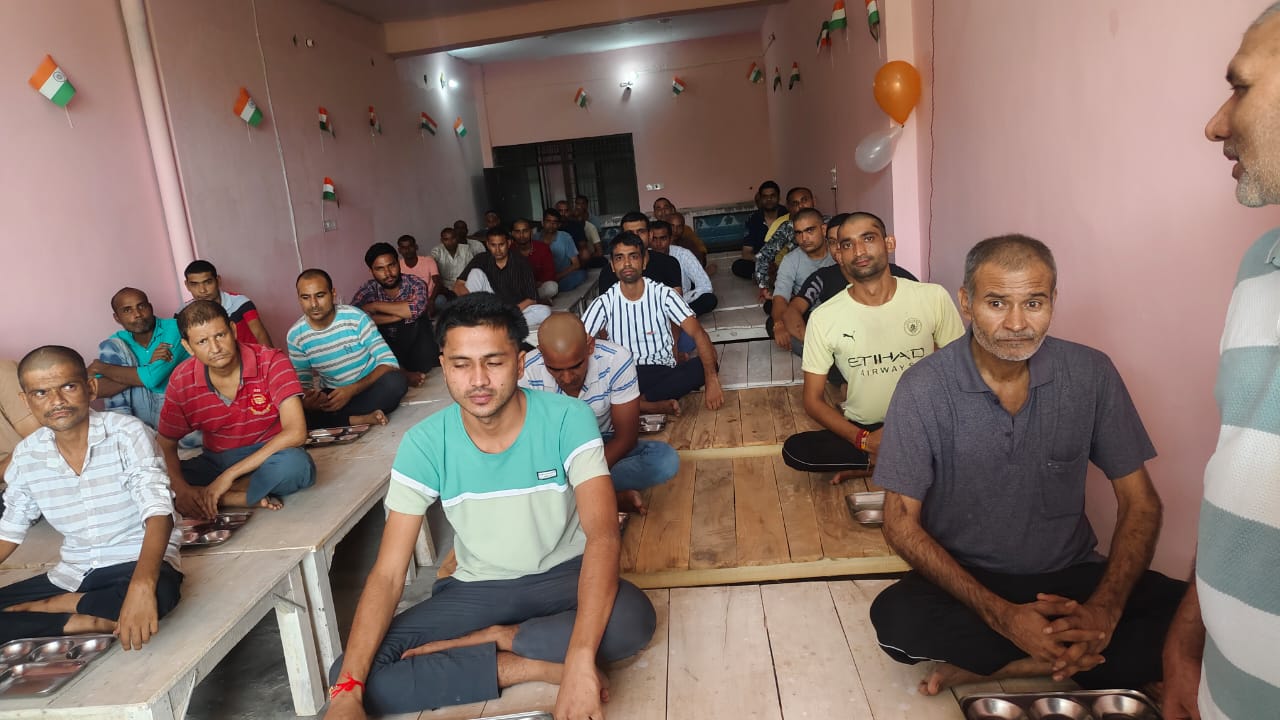
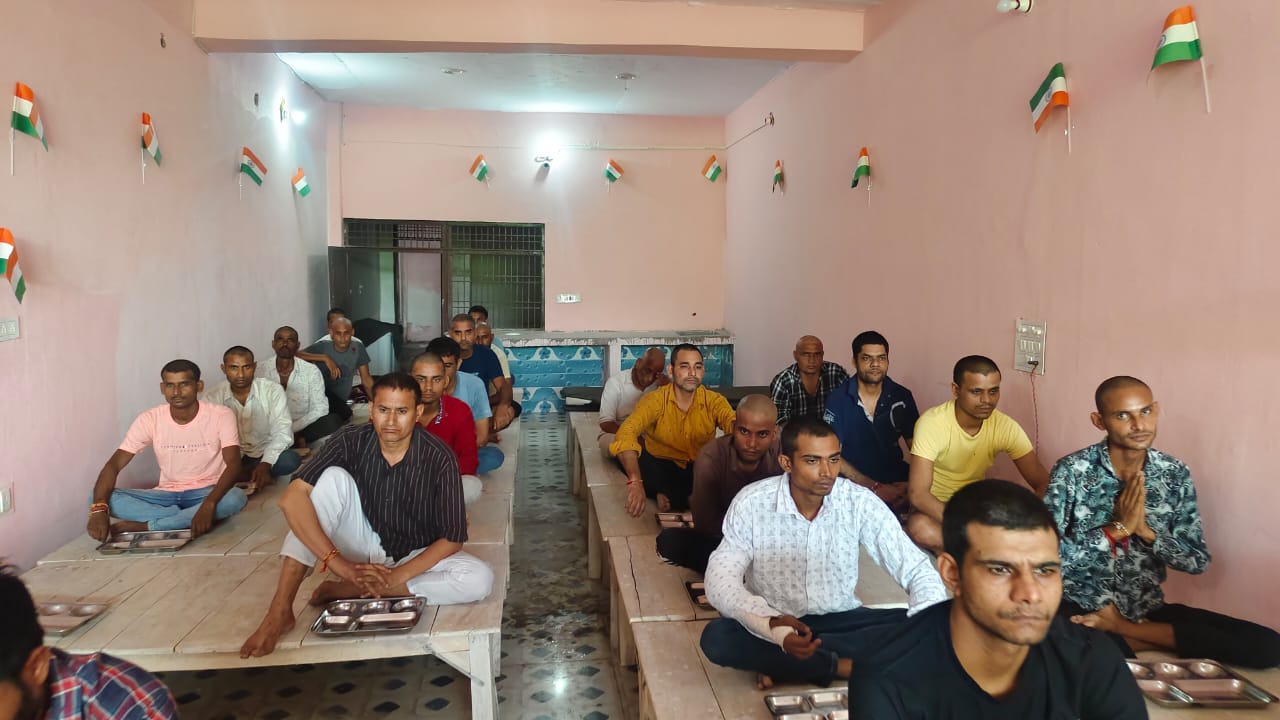
Our Facility & Environment
Explore our world-class rehabilitation center designed with comfort, care, and recovery in mind.
.jpeg)
 copy.jpeg)
.jpeg)
Frequently Asked Questions
How do I know if someone needs rehabilitation?
Signs that someone may need rehabilitation include: persistent substance use despite negative consequences, withdrawal symptoms when not using, neglecting responsibilities, changes in behavior or mood, financial problems related to substance use, and failed attempts to quit. If you notice these signs, it's important to seek professional help. Our team can provide a confidential assessment to determine the best course of action.
What is the duration of the treatment program?
Treatment duration varies based on individual needs, severity of addiction, and the type of program. Our programs typically range from 30 days to 90 days for residential treatment, with options for extended care. Outpatient programs may last 3-6 months or longer. During the initial assessment, we'll create a personalized treatment plan with a recommended duration. We also offer aftercare programs to support long-term recovery.
Is treatment confidential?
Yes, absolutely. We maintain strict confidentiality for all our patients. All information shared during treatment is protected by professional confidentiality standards and privacy laws. We never disclose patient information to unauthorized parties without explicit consent. Your privacy and dignity are our top priorities throughout the treatment process.
What types of addiction do you treat?
We treat all types of addiction including: alcohol addiction, drug addiction (opioids, cocaine, methamphetamine, prescription drugs, etc.), behavioral addictions (gambling, internet, gaming), and dual diagnosis (addiction with co-occurring mental health disorders). Our comprehensive approach addresses both substance abuse and underlying psychological issues to ensure complete recovery.
Do you offer family counseling?
Yes, we strongly believe in family involvement. Addiction affects the entire family, so we offer family counseling sessions, educational programs, and support groups. Family members learn about addiction, how to support recovery, and how to rebuild healthy relationships. Family involvement significantly improves treatment outcomes and helps create a supportive home environment for long-term recovery.